



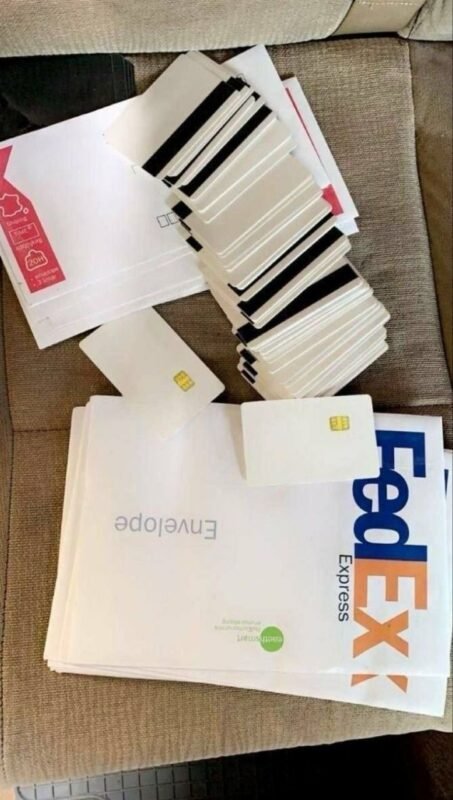

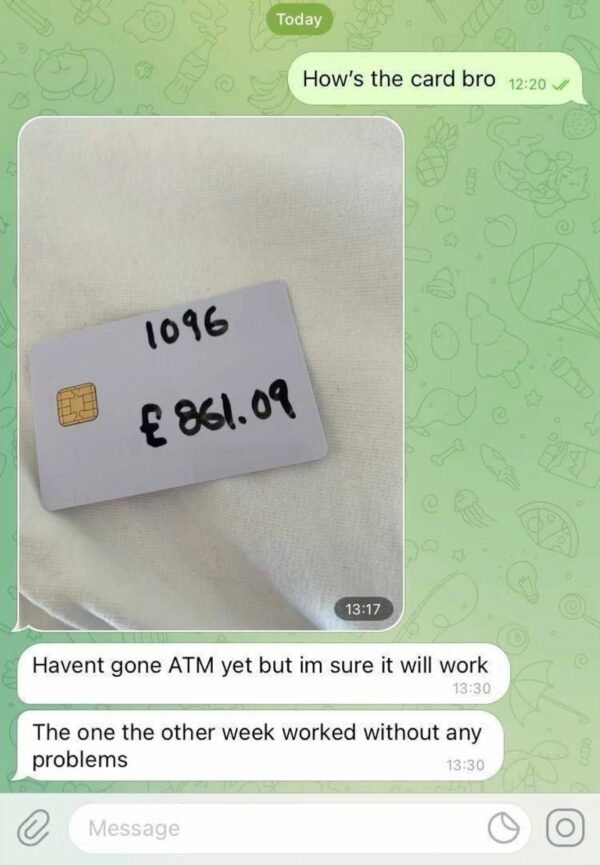
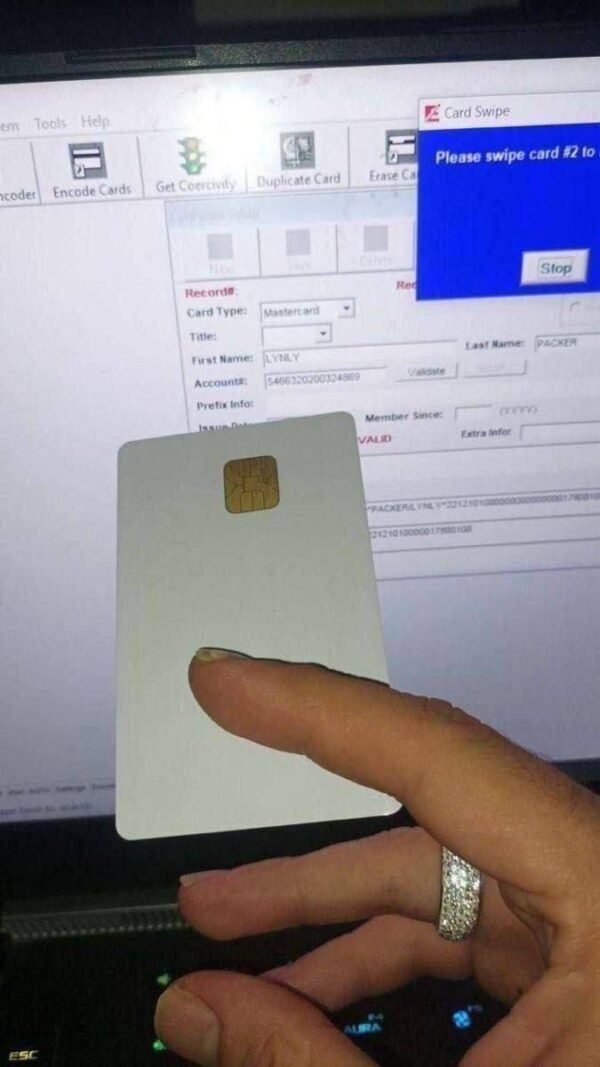




Buy Clone Card Low Balance
Price range: $350.00 through $570.00
How The Cloned Cards Works
Step 1: Insert ATM Card.
Step 2: Select the Language.
Step 3: Enter 4 Digit ATM Pin.
Step 4: Select Your Transaction.
Step 5: Select Your Account.
Step 6: Enter the Withdrawal
Money (withdraw $500 every after 2 hours)
buy clone cards
These cards are not tied to your bank account in the same way as a debit card; instead, they often act as prepaid options where you load a specific amount or link them to an existing account for spending limits. Popular examples include services from Visa, Mastercard, or providers like Privacy.com, Revolut, or Capital One’s virtual cards.
How Virtual Cards Work
Virtual cards operate through digital platforms, allowing you to generate temporary card details for purchases. Here’s a step-by-step breakdown:
- Issuance: Sign up with a provider (e.g., via an app or website). For bank-issued ones, you might request them through your online banking portal.
- Activation: Load funds or set a spending limit. For example, you can add $50 to a virtual card for a specific online purchase.
- Usage: Enter the card details (number, expiry, CVV) on a merchant’s site. The transaction processes like a regular card, but the card can be set to expire after use or have strict limits.
- Security Features: Many include features like transaction alerts, instant blocking, or integration with biometric authentication.
They use the same networks as physical cards (Visa, Mastercard), so they’re accepted worldwide where those networks are supported.
Benefits of Virtual Cards
Virtual cards offer several advantages, especially in the digital age:
- Enhanced Security: Reduce the risk of fraud by using disposable numbers for online purchases. If compromised, you can block the card instantly without affecting your main account.
- Privacy Protection: Avoid sharing real card details with merchants, minimizing data breaches.
- Convenience: Generate cards on-demand via apps, perfect for subscriptions or testing services.
- Budget Control: Set spending caps to avoid overspending or manage household budgets.
- No Physical Presence: Ideal for remote workers or international shoppers who don’t want to carry plastic.
- Cost-Effective: Many are free or low-fee, with no annual charges like some credit cards.
For instance, during the COVID-19 pandemic, virtual cards surged in popularity for contactless, secure online payments.
Types of Virtual Cards
There are various types, catering to different needs:
- Prepaid Virtual Cards: Load a fixed amount (e.g., $100) and spend only that. Examples: Visa Prepaid or PayPal virtual cards.
- Merchant-Specific Cards: Issued by retailers like Amazon or Google for in-app purchases.
- Bank-Issued Virtual Cards: Offered by banks like Chase or Wells Fargo for online transactions.
- Cryptocurrency-Linked Cards: Some allow spending crypto holdings, like Binance or Coinbase cards.
- Business Virtual Cards: For companies, with expense tracking and team limits (e.g., Brex or Divvy).
How to Get a Virtual Card
Getting a virtual card is straightforward:
- Choose a Provider: Research options based on fees, security, and features. Free ones include Privacy.com or some bank apps.
- Sign Up: Provide basic info (ID for verification) and link to a funding source like a bank account or credit card.
- Fund and Use: Load money and start shopping. Apps like Venmo or Cash App also offer virtual card features.
- Fees to Watch: Some charge for issuance, ATM withdrawals (if applicable), or currency conversions.
Always check for FDIC insurance or similar protections.
Risks and Considerations
While secure, virtual cards aren’t foolproof:
- Limited Acceptance: Some offline merchants or services may not accept them.
- Fees: Hidden costs like reload fees or inactivity charges.
- Fraud Still Possible: If your device is hacked, the card could be misused.
- Regulatory Changes: In regions like the EU, PSD2 regulations enhance security, but stay updated.
To mitigate risks, use reputable providers and enable two-factor authentication.
Popular Virtual Card Providers
- Privacy.com: Free, US-based, with strong privacy controls.
- Revolut: International, with multi-currency support.
- Capital One Eno: Virtual numbers for online purchases.
- PayPal: Offers virtual cards for added security.
- Apple Pay/Google Pay: Generate virtual cards for in-app use.
Future of Virtual Cards
As digital payments grow, virtual cards are evolving with AI-driven fraud detection and integration with digital wallets. By 2025, they could represent a significant portion of online transactions, driven by e-commerce and remote work trends.
In summary, virtual cards are a smart tool for secure, flexible online payments. If you’re new to them, start with a free option and experiment with small purchases. For more details, consult provider websites or financial advisors
CARDS
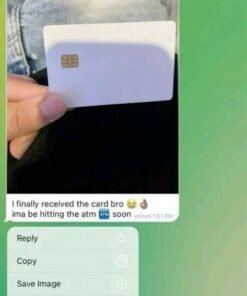
Clone Cards are basically Atm card that have been transferred to the blank cards
1. Make an order of your preferred balance
2.Once you receive it you walk to the nearest Atm or store close to you and do your cash out
3.Cloned cards comes with pin numbers
4.Cash out as per your Balance ordered
| Clone Card Balance | 4.9k balance, 5.2k balance, 6.7k balance, 8.2k balance, 8.6K balance, 9.4 balance |
|---|---|
| Currency | USD, CAD, AUD, CHF, £, € |
Be the first to review “Buy Clone Card Low Balance”
Related products

cloned cards online


Euro Banknotes

Canadian Dollar
Canadian Dollar

Australian Banknotes

US Dollar
Euro Banknotes


UK Banknotes
Reviews
There are no reviews yet.