

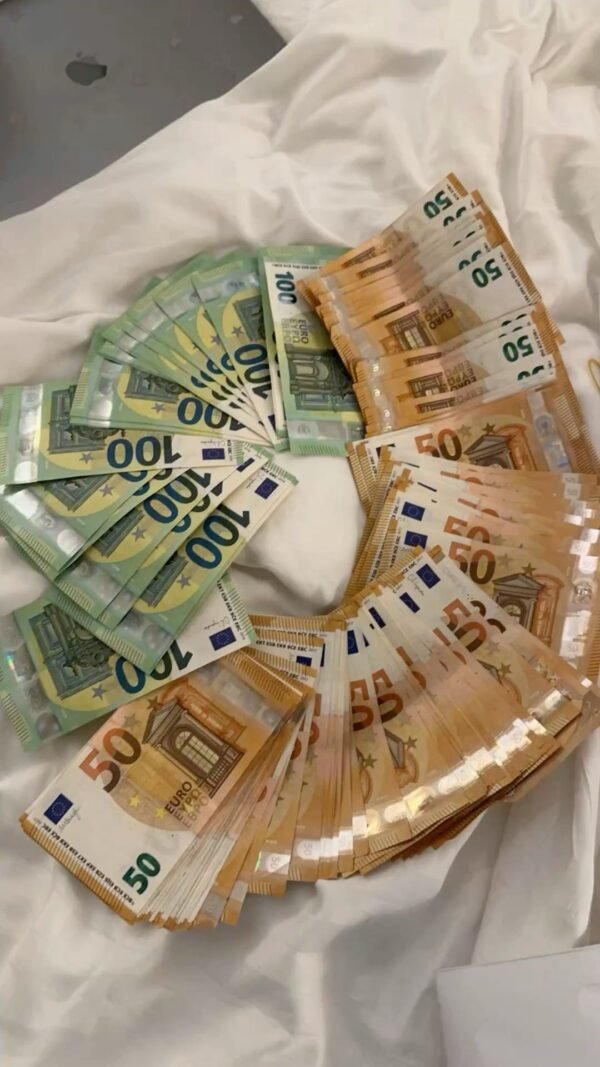
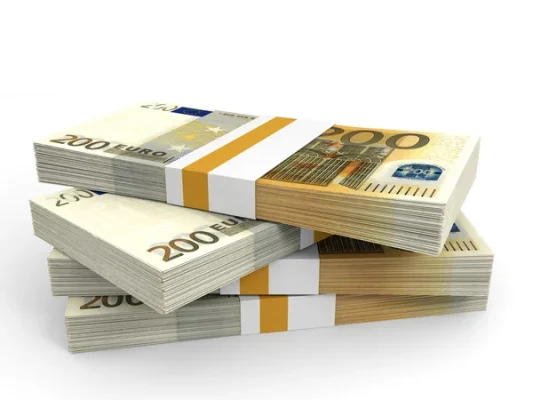
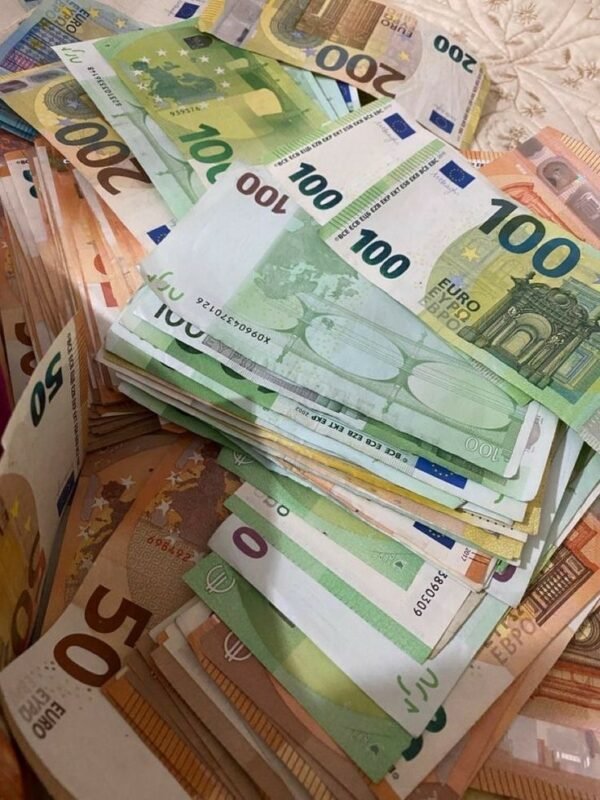
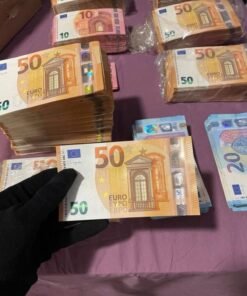
Euro counterfeit money for sale
$300.00 – $3,400.00Price range: $300.00 through $3,400.00
- Order €5 counterfeit European Euro banknotes
- Buy €10 counterfeit European Euro notes
- Purchase €20 counterfeit European Euro banknotes
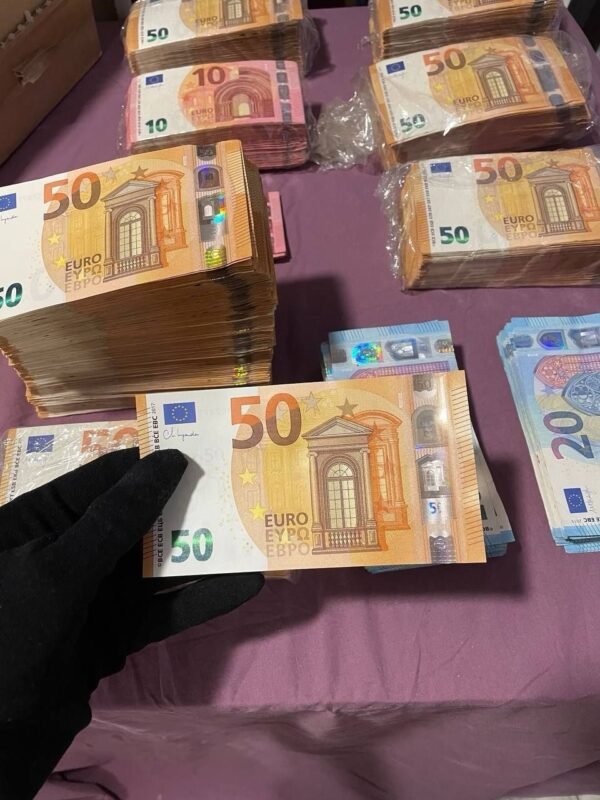
- €50 counterfeit European Euro money for sale
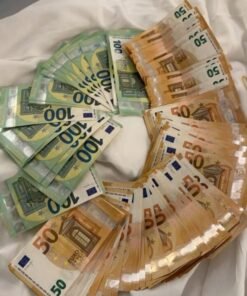
- Order €100 counterfeit European Euro banknotes
- Buy €200 counterfeit European Euro notes
- Purchase €500 counterfeit European Euro bills
The Art and History of Euro Banknote
Discover the Currency of Europe
Since their introduction on January 1, 2002, Euro banknotes have become one of the most widely circulated currencies in the world. For collectors, the Euro offers a fascinating area of study, distinct from pre-Euro national currencies. Unlike coins, which feature national sides, Euro banknotes share a uniform design across the Eurozone, yet they hold hidden secrets that numismatists prize.
The Seven Denominations
We explore the architectural evolution depicted on the notes, representing seven periods of Europe’s cultural history:
- €5 & €10: Classical and Romanesque architecture.
- €20 & €50: Gothic and Renaissance styles.
- €100, €200 & €500: Baroque, Rococo, Iron/Glass, and modern 20th-century architecture.
Collecting the Series
- The First Series (2002): The original issue is becoming increasingly scarce in Uncirculated (UNC) condition. Collectors look for specific Serial Number Prefixes that identify the printing country (e.g., ‘Z’ for Belgium, ‘X’ for Germany, ‘T’ for Ireland).
- The Europa Series: The second series, featuring enhanced security and the portrait of Europa.
- Signature Varieties: A key area for collectors is tracking the signatures of ECB Presidents: Wim Duisenberg, Jean-Claude Trichet, Mario Draghi, and Christine Lagarde.
Authenticity Guaranteed
Whether you are looking for the discontinued €500 note or a complete set of the “Bridges and Arches” design, genuine Euro banknotes are a staple of modern world paper money collections.
| Quantity | €3000, €5000, €10000, €20000, €30000, €40000, €50000 |
|---|---|
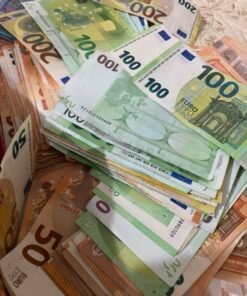
| Denominations | mixed bills, €5 bills, €10 bills, €20 bills, €50 bills, €100 bills, €200 bills, €500 bills |
Be the first to review “Euro counterfeit money for sale” Cancel reply
Related products
Philippines banknote
cloned cards online
UK Banknotes
US Dollar
Buy New Zealand Banknotes

Swiss Francs Banknotes
US Dollar
south africa banknote
Reviews
There are no reviews yet.